
Cryptocoryne parva
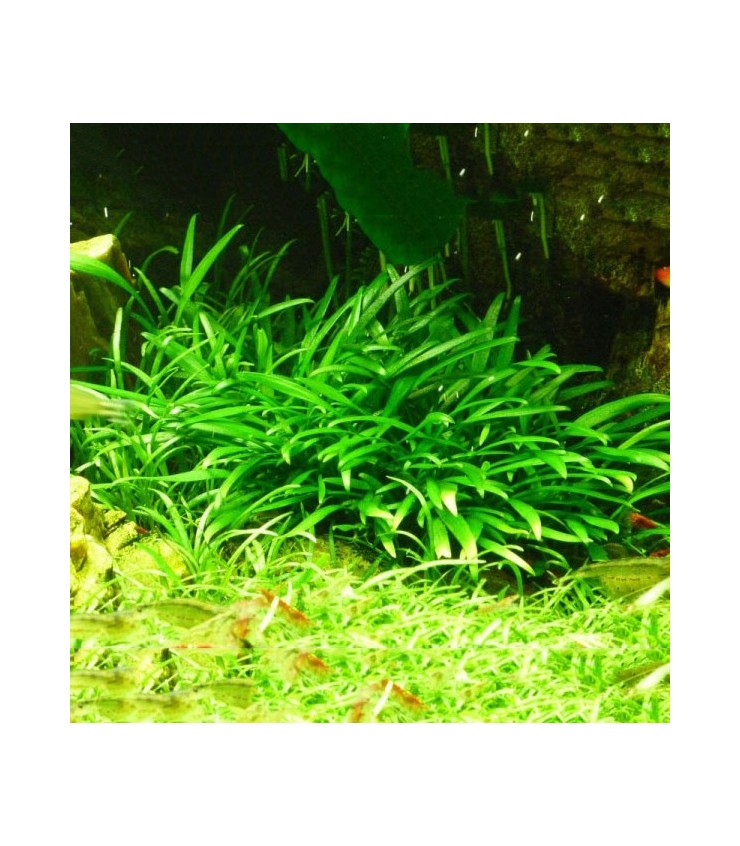
Overview
Cryptocoryne parva is one of the smallest species within the Cryptocoryne family, known for its slow growth and minimal maintenance requirements. Its small, grass-like leaves make it an excellent choice for foreground plantings, adding delicate texture and subtle green hues to the aquascape.
Position in Aquarium
- Location: Positioned in small clusters near the transition zones between the middle and front sections.
- Grouping: Plant closely to form dense patches that enhance the overall depth and aesthetic transition in the foreground area.
Care Requirements
Lighting
- Intensity: Medium to high
- Duration: 10-12 hours per day to support healthy growth and maintain compact form.
Water Conditions
- Temperature: 22-28°C (72-82°F)
- pH: 6.0-7.5
- Hardness: Soft to moderately hard
Substrate
- Type: Prefers a fine, nutrient-rich substrate to facilitate root development and nutrient uptake.
CO2
- Addition: Recommended
- Rate: 10-20 mg/L to promote denser growth and healthier foliage.
Fertilization
- Macro Nutrients: Regular supplementation with a balanced aquarium fertilizer is essential for optimal growth.
- Micro Nutrients: Including iron and other trace elements will help maintain the vibrant green color and overall plant health.
Pruning and Maintenance
- Pruning Frequency: Minimal; Cryptocoryne parva requires very little trimming due to its slow growth rate.
- Trimming Technique: Only remove older, yellowing leaves to keep the plant area clean and healthy.
Propagation
- Method: Spreads slowly through runners. New plants will gradually form around the base of established plants and can be separated during tank maintenance.
- Growth Rate: Slow; patience is required to see this plant fully develop and fill in areas.
Common Issues
- Crypt Melt: Like other Cryptocoryne species, parva may experience 'crypt melt' if water conditions change dramatically.
- Nutrient Deficiency: Signs of nutrient deficiency may include stunted growth and pale leaves, necessitating adjustments in fertilization.
Additional Tips
- Substrate Depth: Ensure the substrate is deep enough to allow the roots to anchor and spread effectively.
- Aesthetic Placement: Use Cryptocoryne parva to create a natural, subtle foreground that contrasts with more vibrant or larger-leaved plants in the background and midground.
This Markdown guide provides comprehensive information about Cryptocoryne parva, including its care, aesthetic benefits, and practical considerations for successful cultivation in an aquarium setting. If you have any further questions or need adjustments, please let me know!