
Kuhli Loaches (Pangio kuhlii)
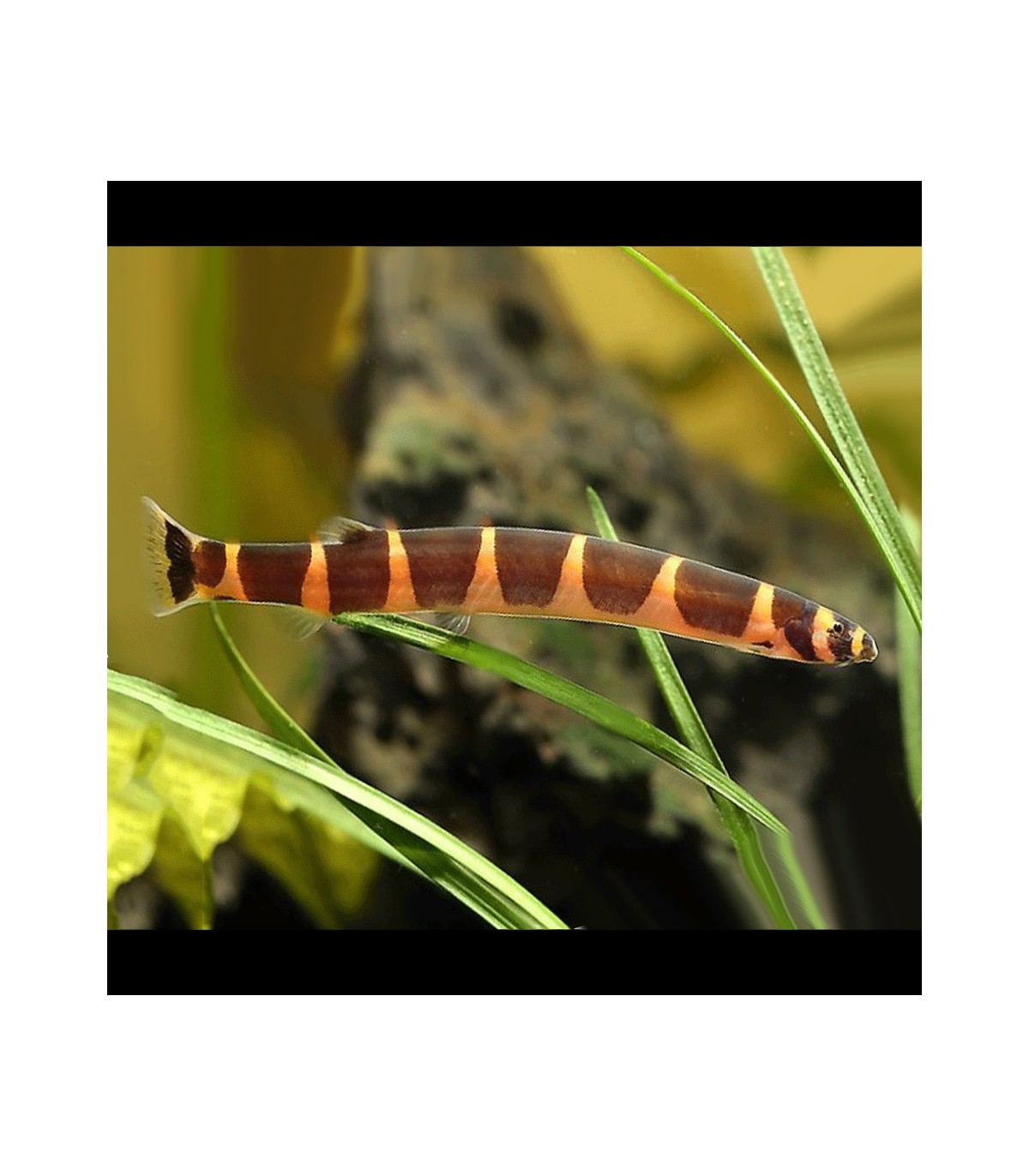
Care Requirements
- Water Parameters: Kuhli Loaches thrive in a pH range of 5.5-6.5. They prefer soft, slightly acidic water.
- Temperature: The ideal temperature range for Kuhli Loaches is 24-30°C (75-86°F).
- Tank Setup: Provide a soft substrate such as sand to prevent injury. The tank should be heavily planted with plenty of hiding places like caves, driftwood, and dense vegetation.
- Water Conditions: Kuhli Loaches are sensitive to poor water quality. Regular water changes and efficient filtration are essential.
Feeding Habits
- Diet: Kuhli Loaches are omnivorous. They prefer a varied diet that includes sinking pellets, live or frozen foods such as bloodworms, brine shrimp, and daphnia.
- Supplemental Feeding: They also enjoy blanched vegetables and algae wafers. Feed small amounts that can be consumed within a few hours.
Behavior
- Activity: Kuhli Loaches are nocturnal and most active during the night. They spend a lot of time burrowing and hiding during the day.
- Social Structure: They are social and do best in groups of at least 5-6. In groups, they exhibit more natural and active behavior.
- Breeding: Breeding Kuhli Loaches in a home aquarium is rare but possible. They scatter eggs among plants and décor.
Tank Mates
- Compatibility: Kuhli Loaches are peaceful and do well with other non-aggressive fish. Suitable tank mates include tetras, rasboras, and small catfish.
- Avoid: Avoid keeping them with large, aggressive fish that may see them as prey.
Additional Tips
- Hiding Spots: Ensure plenty of hiding places and dense vegetation to make them feel secure.
- Sand Substrate: Use sand or fine gravel to protect their delicate barbels.
- Observation: Regularly check for signs of stress or disease, especially if they become less active or visible.
Adding Kuhli Loaches to your aquarium introduces an interesting and active bottom-dweller that contributes to the overall health and balance of your tank ecosystem.