
Otocinclus Catfish (Otocinclus spp.)
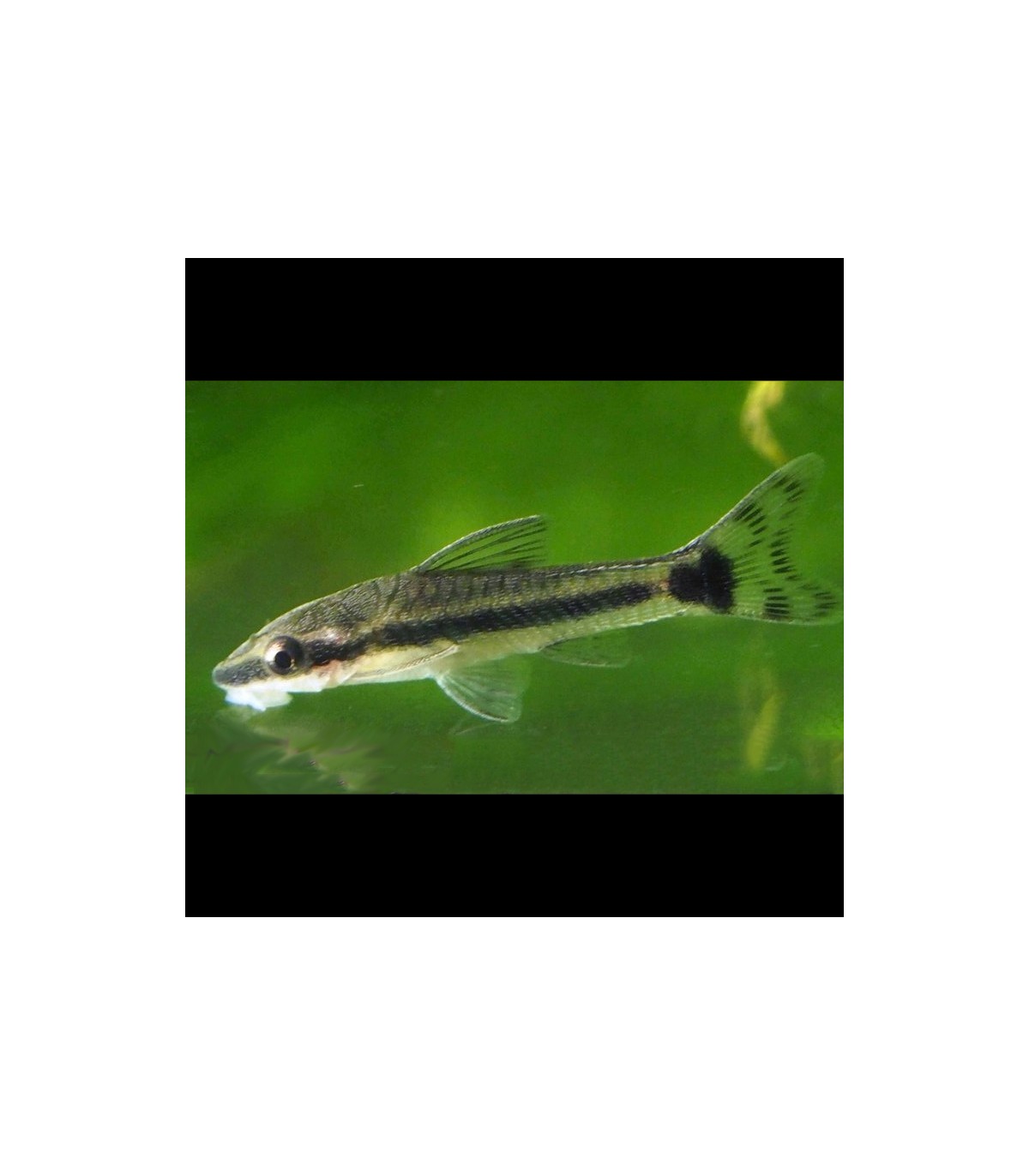
Care Requirements
- Water Parameters: Otocinclus Catfish thrive in a pH range of 6.0-7.5. They prefer soft to moderately hard water with good oxygenation.
- Temperature: The ideal temperature range for Otocinclus Catfish is 22-28°C (72-82°F).
- Tank Setup: A planted tank with plenty of hiding spots and surfaces to graze on is ideal. Otocinclus enjoy tanks with lots of live plants, driftwood, and smooth rocks covered in algae.
- Water Conditions: Otocinclus are very sensitive to poor water quality. Ensure regular water changes and maintain a clean environment with stable parameters.
Feeding Habits
- Diet: Otocinclus Catfish are herbivorous and primarily consume algae. In a well-established tank with sufficient algae growth, they can often sustain themselves without additional feeding.
- Supplemental Feeding: If algae are insufficient, supplement their diet with high-quality algae wafers, blanched vegetables such as zucchini and cucumber, and occasionally spirulina tablets. Feed small amounts that can be consumed within a few hours.
Behavior
- Activity: Otocinclus are active during the day and are constantly grazing on algae and biofilm. They are peaceful and non-aggressive.
- Social Structure: They are social fish and should be kept in groups of at least 5-6 to ensure they feel secure and exhibit natural behaviors.
- Breeding: Breeding Otocinclus in home aquariums is rare but can occur in optimal conditions. They lay eggs on flat surfaces such as leaves and glass.
Tank Mates
- Compatibility: Otocinclus are compatible with other peaceful, small fish and invertebrates. Suitable tank mates include tetras, rasboras, shrimp, and other small, non-aggressive fish.
- Avoid: Avoid keeping them with large or aggressive fish that may harm them.
Additional Tips
- Algae Availability: Ensure there is enough algae for them to graze on. In newly set up tanks, they might require more supplemental feeding until algae develop.
- Hiding Spots: Provide plenty of plants and hiding places to make them feel secure and reduce stress.
- Observation: Regularly check for signs of malnutrition or stress, such as decreased activity or visible weight loss.
Including Otocinclus Catfish in your aquarium helps maintain algae control and contributes to a cleaner, healthier tank environment, while adding gentle, continuous activity to the bottom and mid-layers of your aquascape.